BUILT BEYOND BELIEF
OVERVIEW |
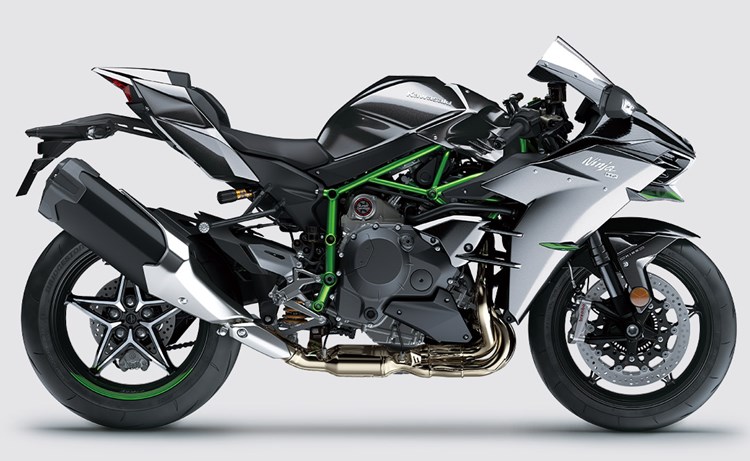
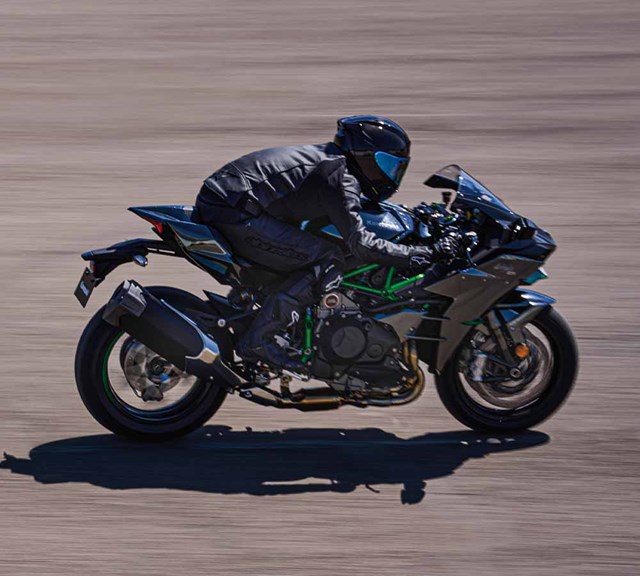
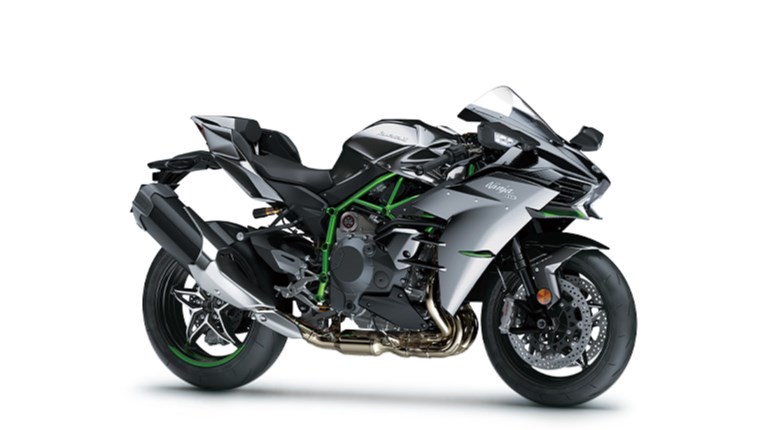
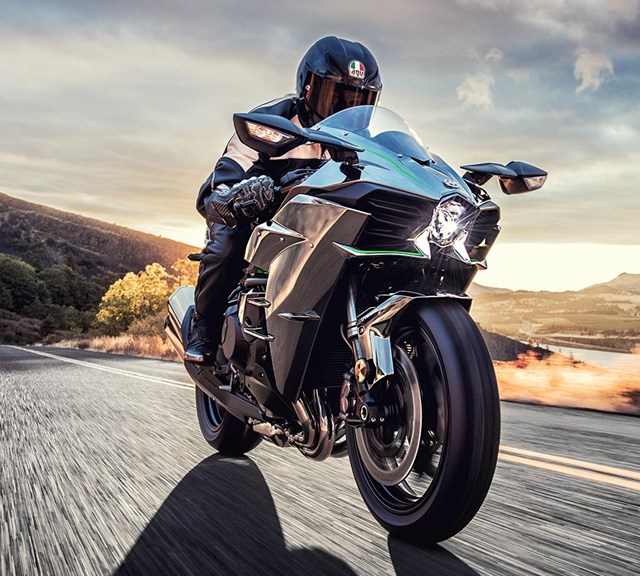
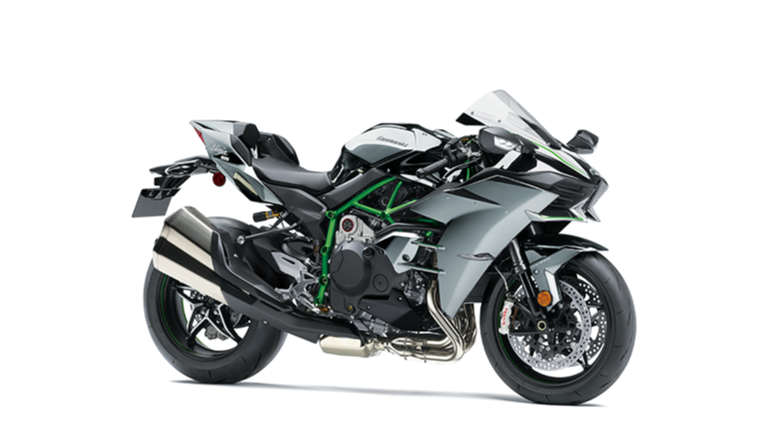
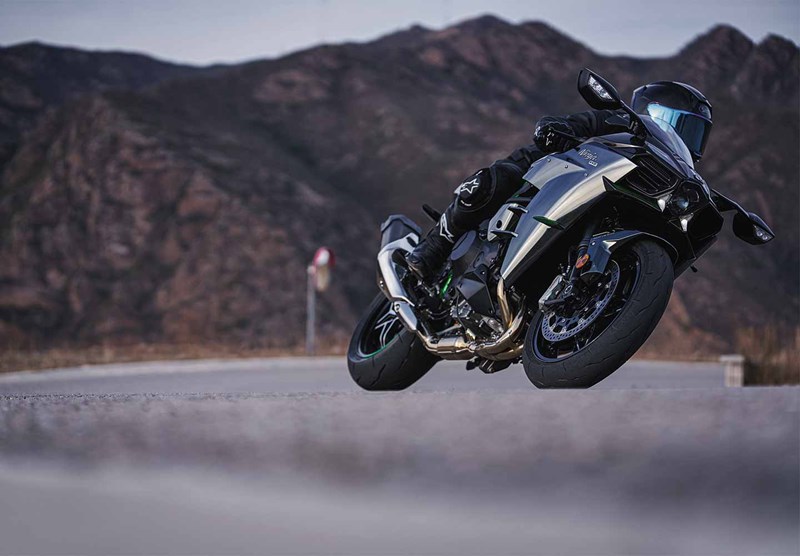
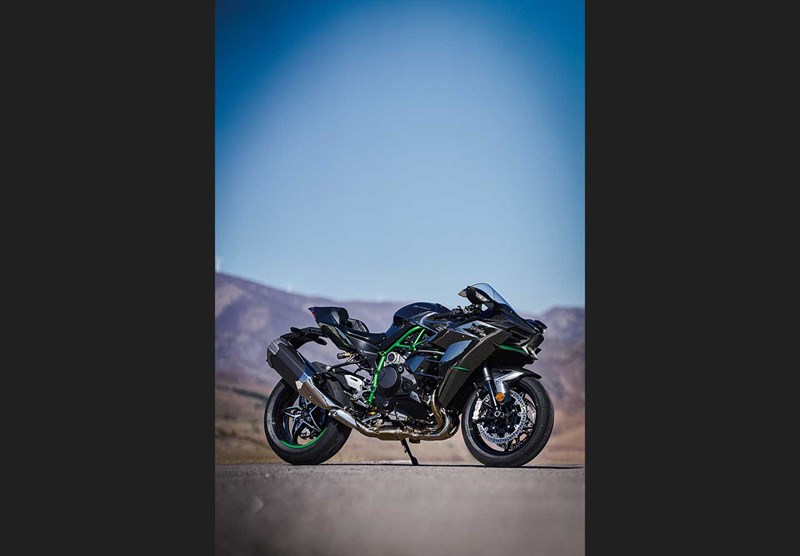
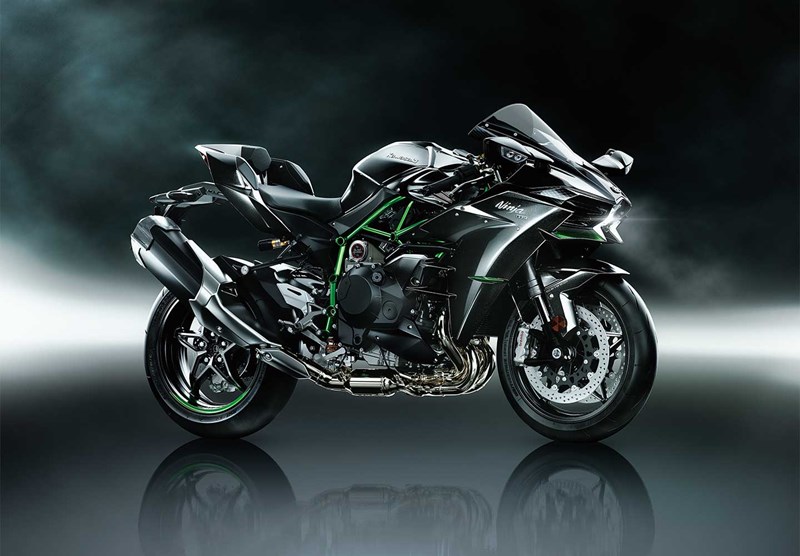
The new Ninja H2 proudly takes its place as a modern evolution of Kawasaki’s supercharged flagship.
A new 998 cc In-Line Four supercharged engine boasts strong low- to mid-range torque paired with the Ninja H2’s distinctive high-rpm acceleration sensation. Complementing the high level of control offered by a chassis and bodywork designed to harness the 300+ PS of the mighty Ninja H2R, Brembo’s latest Hypure front brake calipers deliver flagship-worthy stopping performance.
Additionally, new aviation-inspired instrumentation contributes a visual element to the Ninja H2’s exhilarating exhilarating acceleration, while an advanced suite of rider support technology offers intuitive control—empowering you to confidently explore its phenomenal performance in a wide range of riding situations.
With every twist of the throttle, the Ninja H2 offers a riding experience unlike anything else on the road.
- NEW 998 cc IN-LINE FOUR SUPERCHARGED ENGINE FOCUSED ON REAL-WORLD ACCELERATION
- LIGHTWEIGHT TRELLIS FRAME COMBINING LIGHT HANDLING AND HIGH-SPEED STABILITY
- FULLY ADJUSTABLE HIGH-GRADE RACING SUSPENSION
- NEW ENHANCED BREMBO BRAKE PACKAGE WITH HYPURE CALIPERS
- NEW ADVANCED ELECTRONICS PACKAGE
- NEW AVIATION-INSPIRED TFT FULL-COLOUR INSTRUMENTATION WITH SMARTPHONE CONNECTIVITY VIA RIDEOLOGY THE APP MOTORCYCLE
MODELS |
- NEW Lightweight 4-into-1 exhaust system
- NEW Shorter gearing for enhanced acceleration
- NEW Kawasaki TRaction Control (KTRC) with 5 modes
- NEW Kawasaki Launch Control Mode (KLCM)
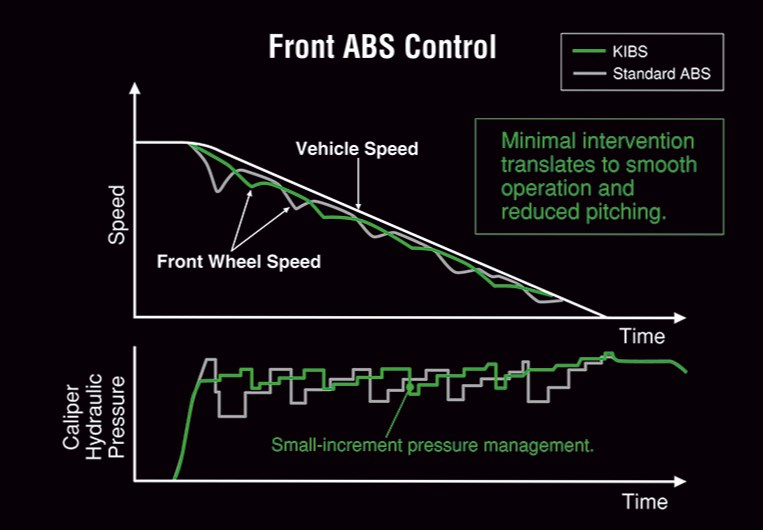
- Kawasaki Intelligent anti-lock Brake System (KIBS)
- Kawasaki Quick Shifter (KQS)
- Kawasaki Engine Brake Control
- Öhlins electronic steering damper
- KYB AOS-II inverted front fork and Öhlins TTX36 rear shock
- NEW Electronic Cruise Control
- NEW Integrated Riding Modes
- NEW Heated grips
- NEW Kawasaki Original Silver-Mirror Paint with Highly Durable Paint
- Carbon-fibre upper cowl
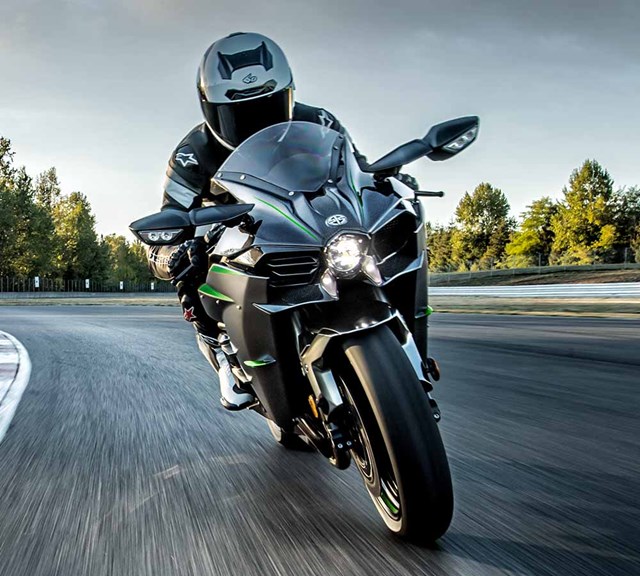
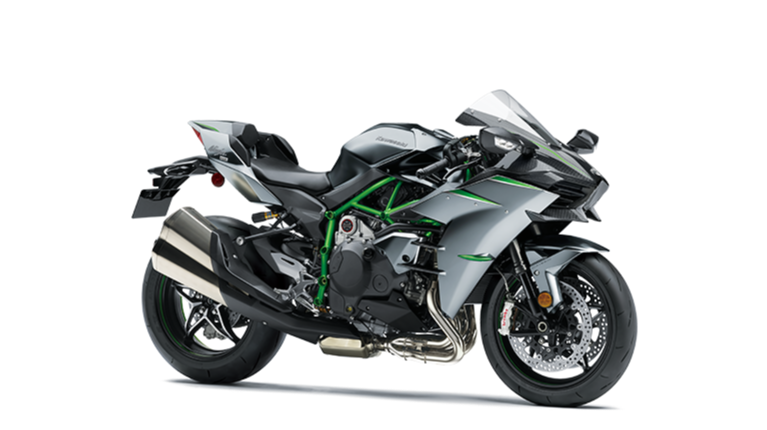
- Street-legal hypersport performance
- KYB AOS-II front fork and Öhlins TTX36 rear shock
- Kawasaki Quick Shifter (KQS)
- Kawasaki TRaction Control (KTRC–9 modes)
- All-LED lighting
- Carbon-fibre upper cowl
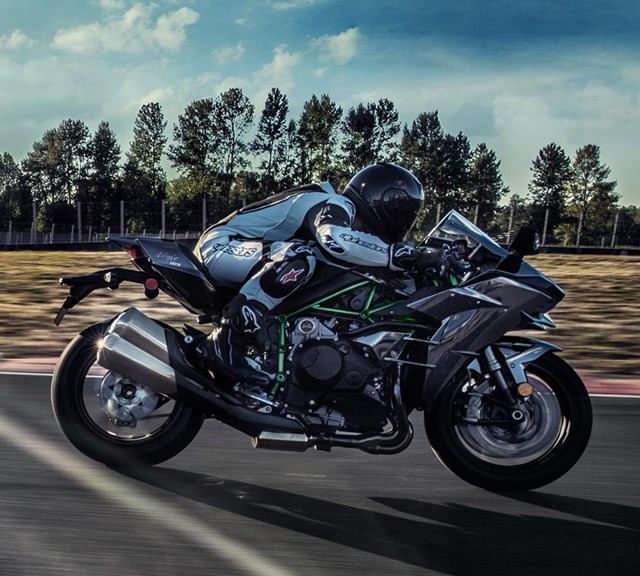
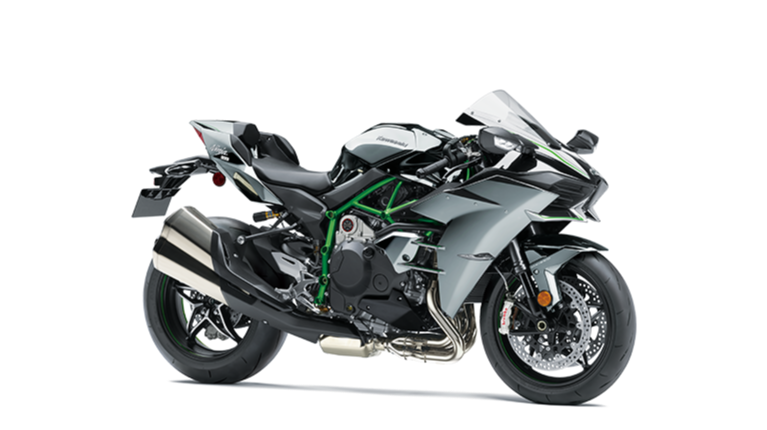
- Street-legal hypersport performance
- KYB AOS-II front fork and Öhlins TTX36 rear shock
- Kawasaki Quick Shifter (KQS)
- Kawasaki TRaction Control (KTRC–9 modes)
- All-LED lighting
- Street-legal hypersport performance
- KYB AOS-II front fork and Öhlins TTX36 rear shock
- Kawasaki Quick Shifter (KQS)
- Kawasaki TRaction Control (KTRC–9 modes)
- All-LED lighting
TOP FEATURES |
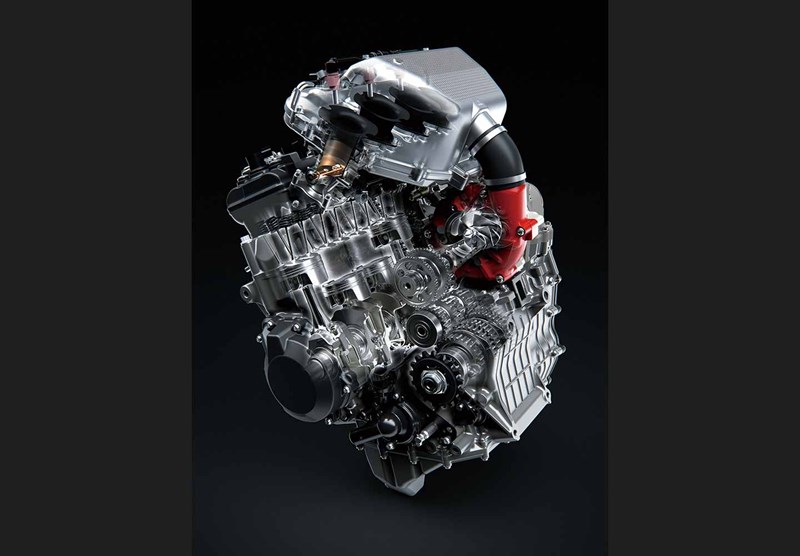
To further emphasise the enhanced low-mid range performance, the final reduction ratio was shortened. Even from partial throttle, riders can experience the powerful acceleration sensation unique to Kawasaki’s supercharged flagship.
-
-
THE ULTIMATE ACCELERATIONStrong Low-Mid Range Torque and Signature High-Rpm Acceleration
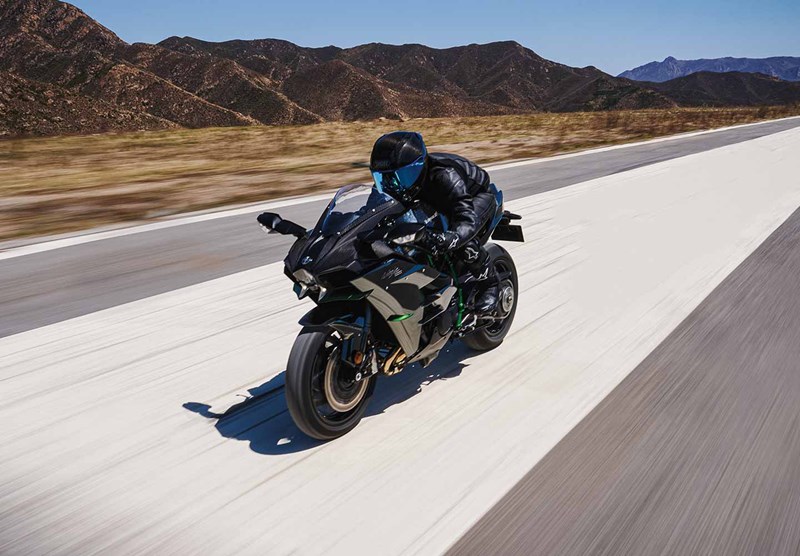
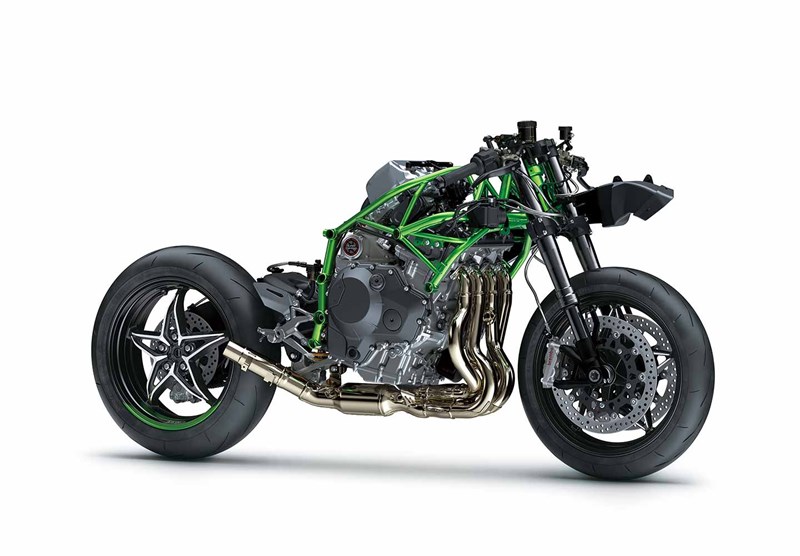
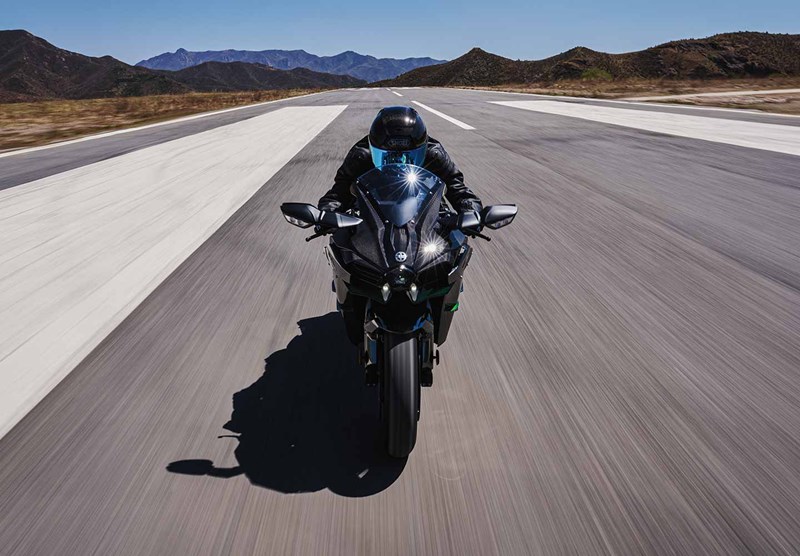
To offer intense acceleration, an engine able to produce big power was essential. While a large-displacement engine could easily provide a high engine output, to ensure a lightweight, compact overall package a compact engine was also desired. Using a supercharged engine enabled Kawasaki to achieve both of these engine design requirements. The Ninja H2’s 998 cc In-Line Four supercharged engine offered a maximum output of 200 PS with an engine size on par with other supersport litre-class power units. Designed in-house, the immense potential of the highly compact, highly efficient engine was a testament to the technology possessed by the KHI Group.
For 2027, a new engine with model-specific tuning and final gearing refine the Ninja H2’s supercharged performance for real-world acceleration. Combined with a lighter new exhaust system, the result further highlights the distinctive acceleration sensation of Kawasaki’s supercharged flagship.
-
-
HIGH-SPEED STABILITY & LIGHT HANDLINGNext-Level Chassis Design
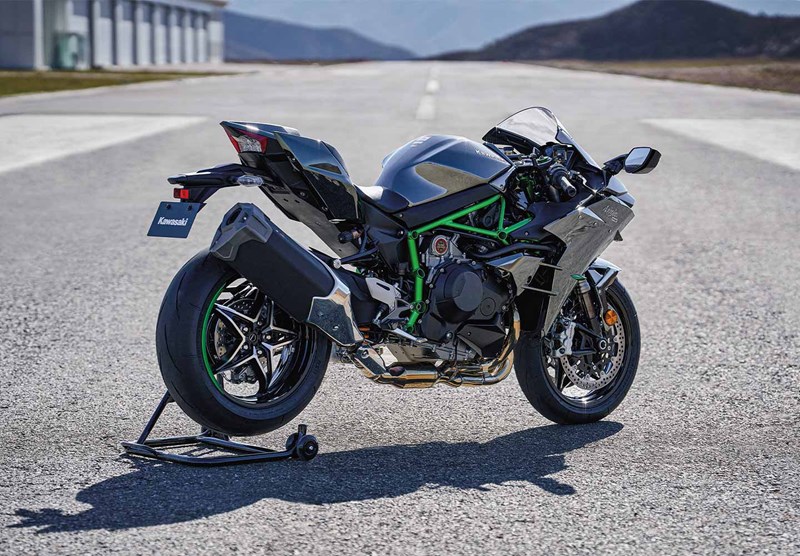
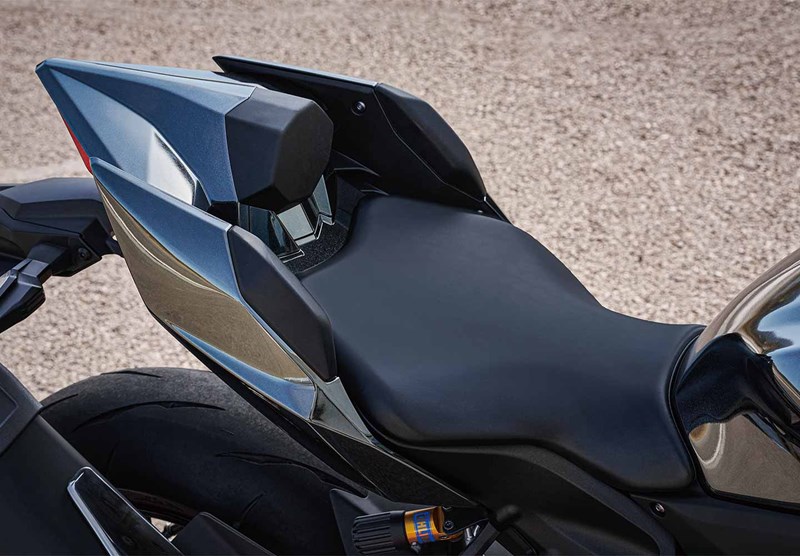
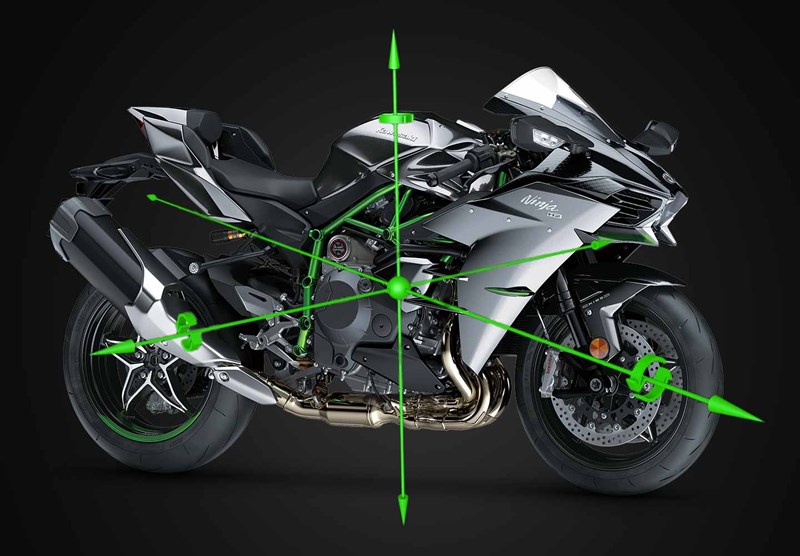
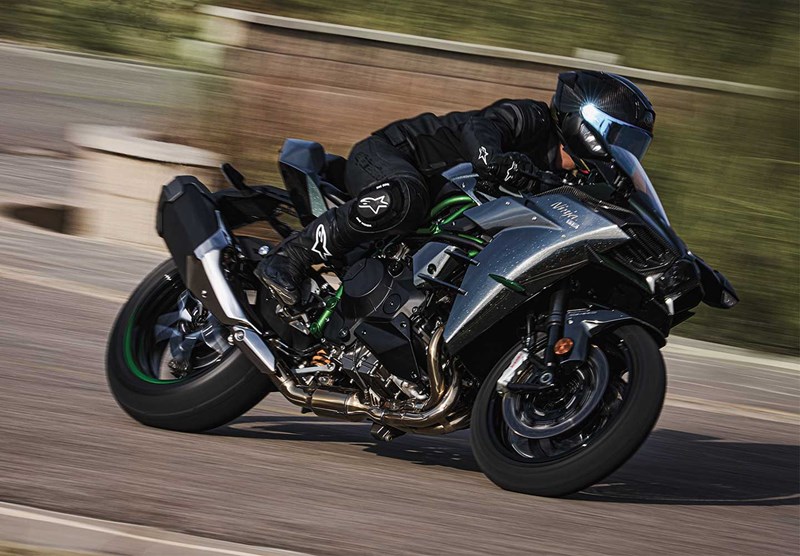
Designed for the performance parameters of the closed-course Ninja H2R and shared with the street-going Ninja H2, the chassis needed to ensure unflappable composure at ultra-high speeds, offer cornering performance to be able to enjoy riding on a circuit, and finally to have a highly accommodating character. High-speed stability could easily be achieved with a long wheelbase, but a shorter wheelbase was selected to achieve the compact overall package and sharp handling that were also desired. The frame needed not only to be stiff, but also to be able to absorb external disturbances, which, when encountered while riding at high speeds, could unsettle the chassis. The Ninja H2’s trellis frame provides both the strength to harness the incredible power of the supercharged engine, and the balanced flex to achieve the stability and pliability for high-speed riding. Chassis geometry very similar to a litre-class supersport model contributes to a compact package with handling that covers fun riding on the street and highway to the circuit. High-grade racing suspension further contributes to the handling performance, and high-spec Brembo brakes (now including Hypure front calipers on the 2027 model) deliver precise brake control to manage speed adjustments. These are complemented by single-seat ergonomics designed specifically to help riders enjoy the Ninja H2’s intense acceleration and sustained high-speed capabilities.
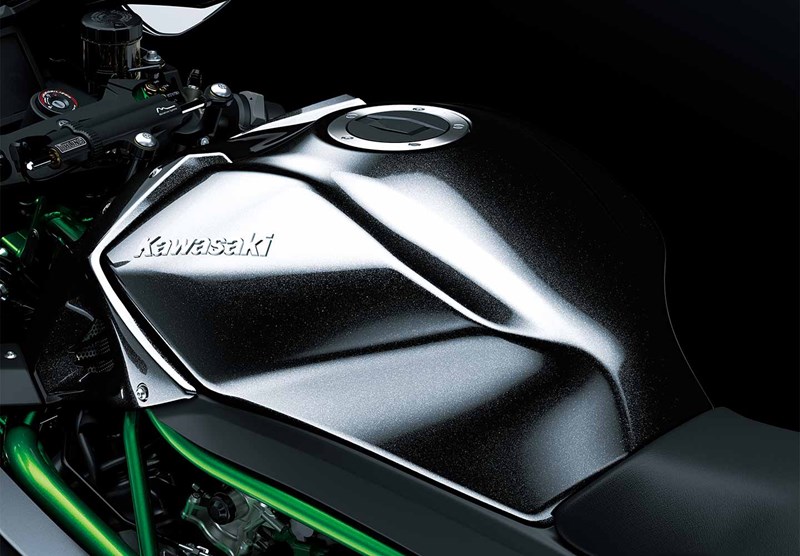
In addition, all exterior bodywork parts other than the carbon-fibre components on the CARBON model feature Kawasaki’s proprietary Highly Durable Paint. By allowing certain types of fine surface scratches to repair themselves, this finish helps the paint maintain a premium texture and presence befitting Kawasaki’s latest flagship model.
-
-
ICONIC DESIGNTimeless and Distinctive
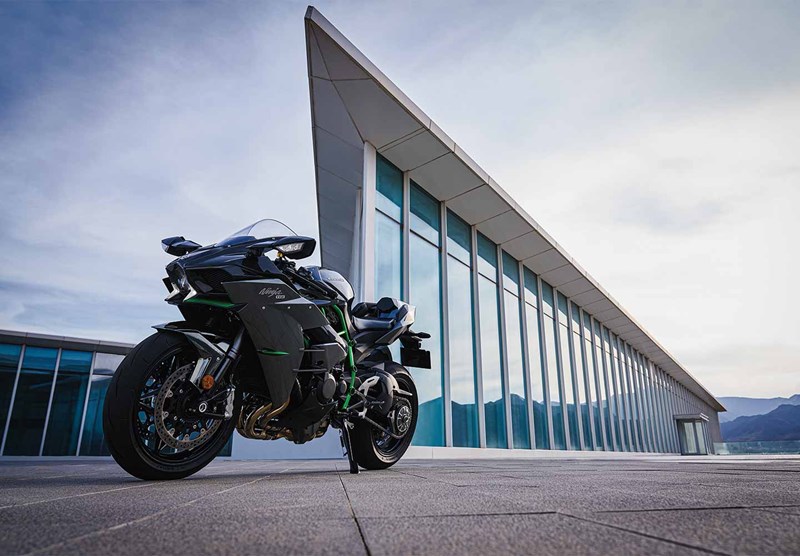
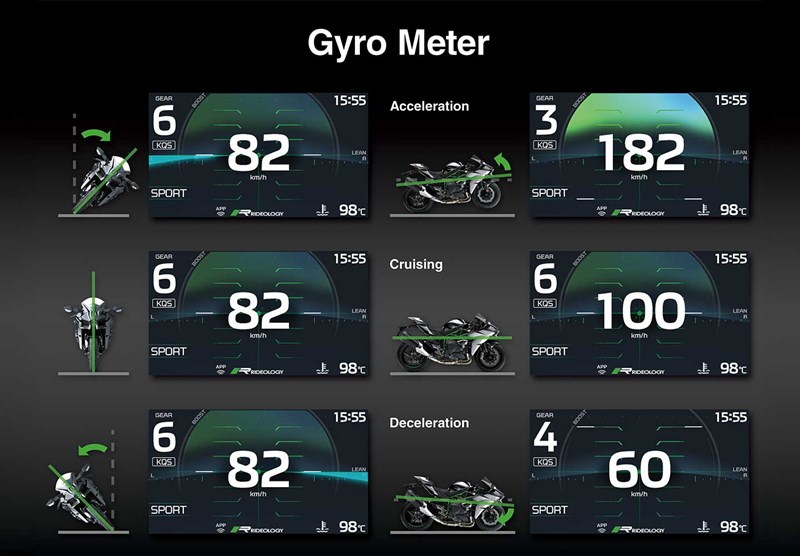
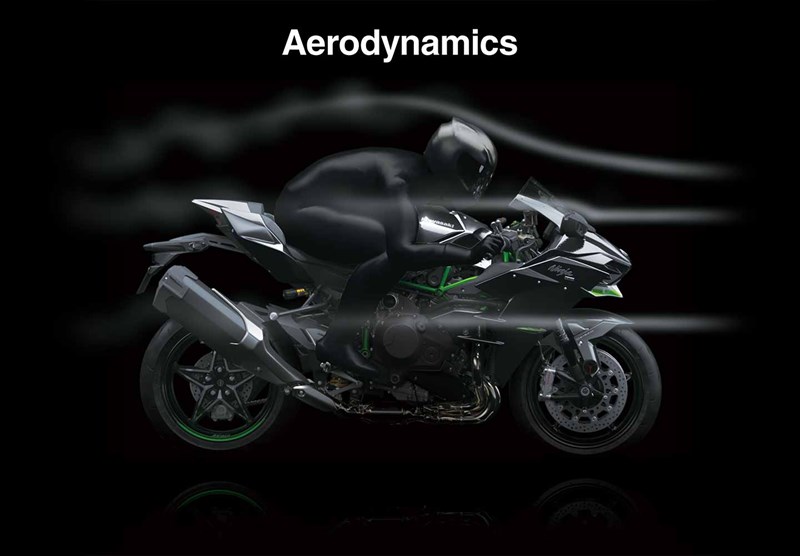
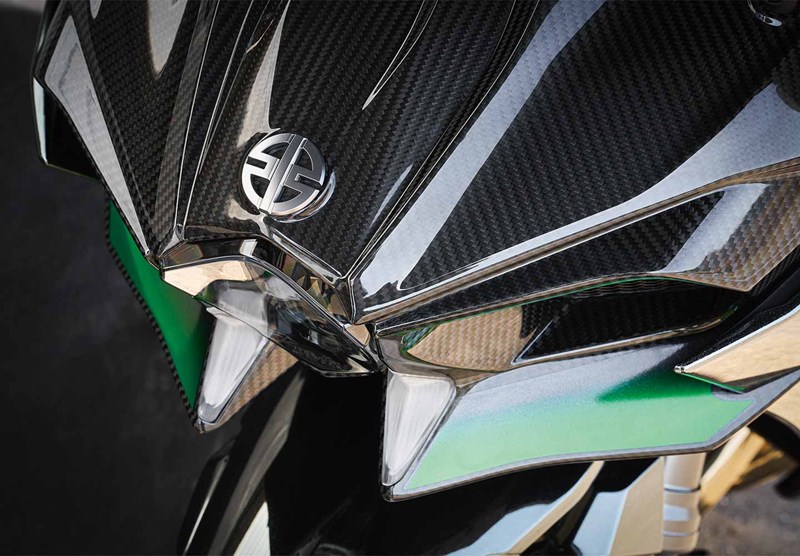
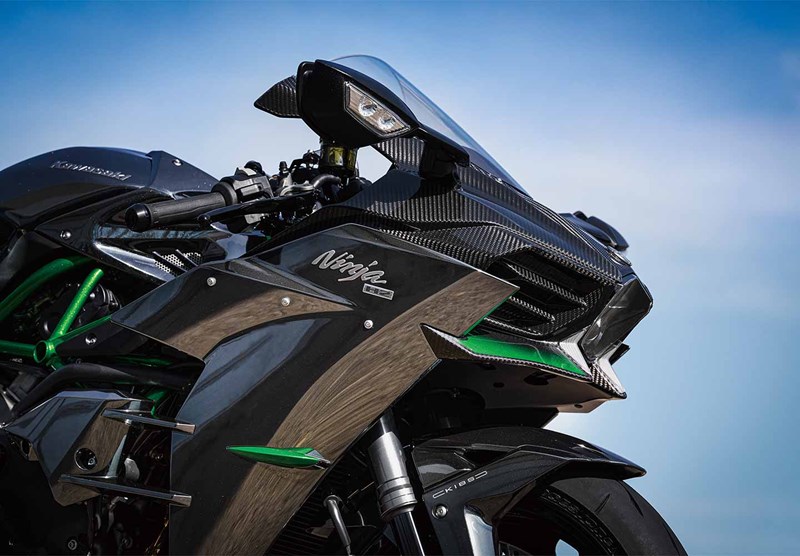
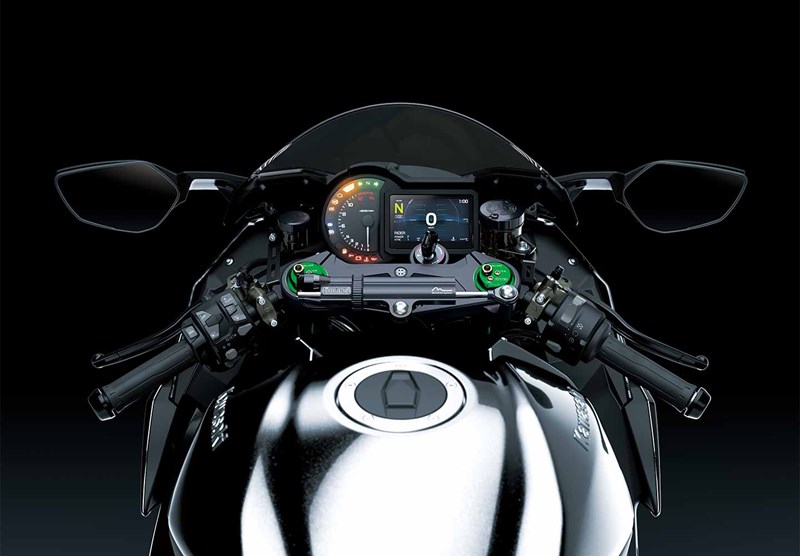
Even now, more than 10 years since its debut, the Ninja H2’s distinctive form remains timeless, a bold design exuding presence that reflects its incredible performance. More than cosmetic, the Ninja H2’s functional beauty is a product of joint development efforts with the KHI Group’s Aerospace Systems Company. Its aerodynamically sculpted bodywork minimises drag and enhances stability and control at high speed. Kawasaki’s original silver-mirror paint further underscores the Ninja H2’s position outside conventional boundaries. The special paint, even more brilliant on the 2027 model, is complemented by a layer of highly durable paint with self-repairing properties that help preserve its one-of-a-kind looks. From the cockpit, new instrumentation adds to the exhilaration of piloting a model designed to deliver the ultimate acceleration experience. In addition to a lean and pitch angle display inspired by aircraft HUDs, a graphically enhanced boost gauge gives riders visual confirmation of Ninja H2’s intense acceleration performance.
Riders can choose from five modes. Mode 1 offers the lowest level of intervention, allowing riders to experience the Ninja H2’s supercharged acceleration more directly while still providing intervention when significant wheelspin occurs. Mode 2 retains a sporty character while applying intervention earlier than Mode 1, making it suitable for a wider range of spirited riding situations. Mode 3 offers a balance between acceleration performance and rider reassurance. Mode 4 facilitates smooth riding on low-grip surfaces. Mode 5 provides a high level of rider reassurance in rainy or wet conditions. Riders may also elect to turn the system off.
-
-
ADVANCED RIDER SUPPORT TECHNOLOGYIMU-Enhanced Electronics
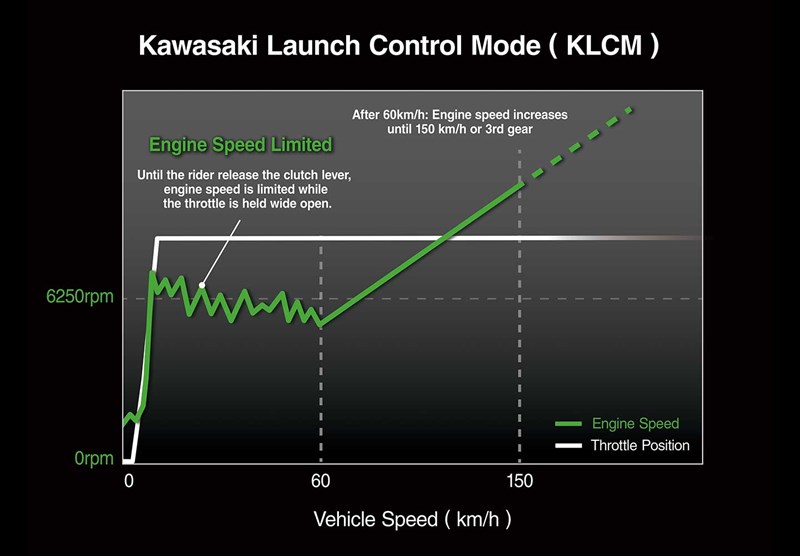
Complementing the Ninja H2’s incredible engine and chassis performance, advanced electronics work behind the scenes to provide rider support. Depending on rider preference, many of the systems may be turned off. While the high-performance engine was designed to be accommodating even without the benefit of electronic assistance, these systems help riders more fully exploit the Ninja H2’s exceptional performance. Updated KTRC and KLCM offer more intuitive control of the Ninja H2’s supercharged acceleration, allowing riders to more confidently access the machine’s performance potential.
The following technologies are featured:
- KCMF (Kawasaki Cornering Management Function)
- KTRC (Kawasaki TRaction Control)
- KLCM (Kawasaki Launch Control Mode)
- KIBS (Kawasaki Intelligent anti-lock Brake System)
- KQS (Kawasaki Quick Shifter)
- Kawasaki Engine Brake Control
- Öhlins Electronic Steering Damper
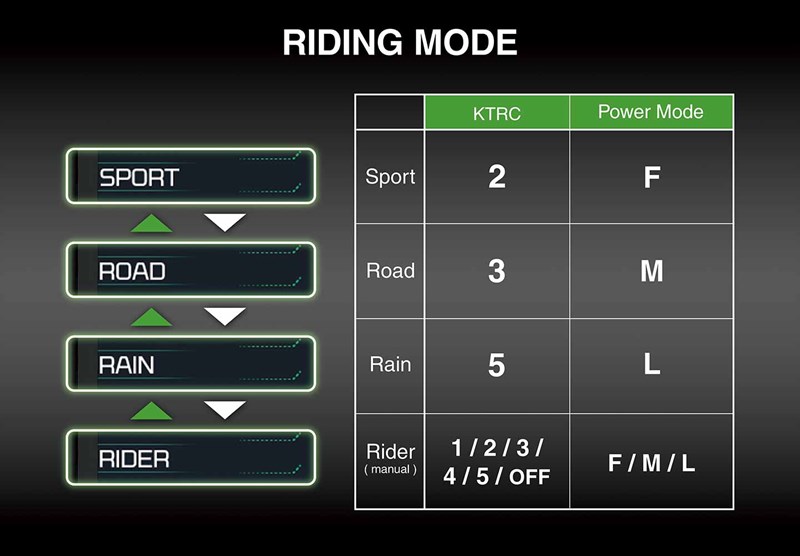
Riders can choose from three settings (Sport, Road, Rain) or a manual setting (Rider). In the manual Rider mode, each of the systems can be set independently.
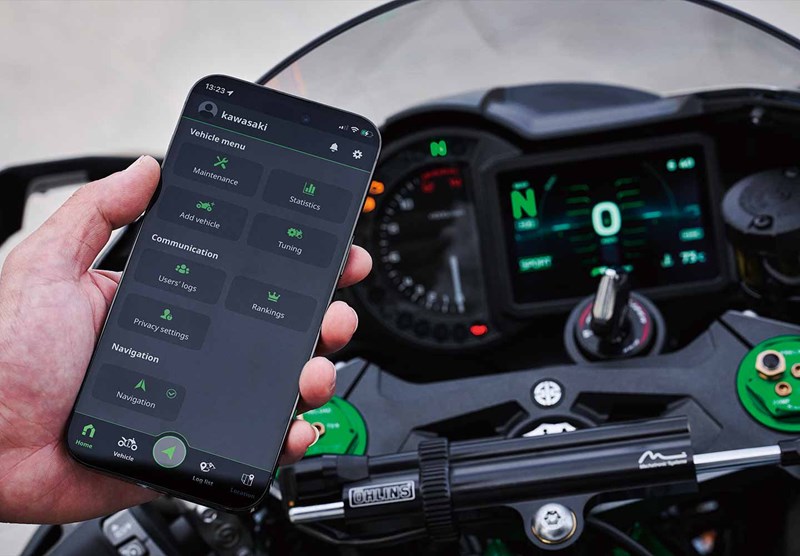
Highly convenient, Voice Command allows certain functions, like Vehicle Info and Riding Logs, to be controlled without tapping the smartphone. Feedback is likewise provided aurally.
Navigation allows riders to see route information on their smartphones, search for place names and store names to navigate, add waypoints and change the order of routes, among other functions.
-
-
ENHANCED STREET-RIDING EXPERIENCEReal-World Enjoyment
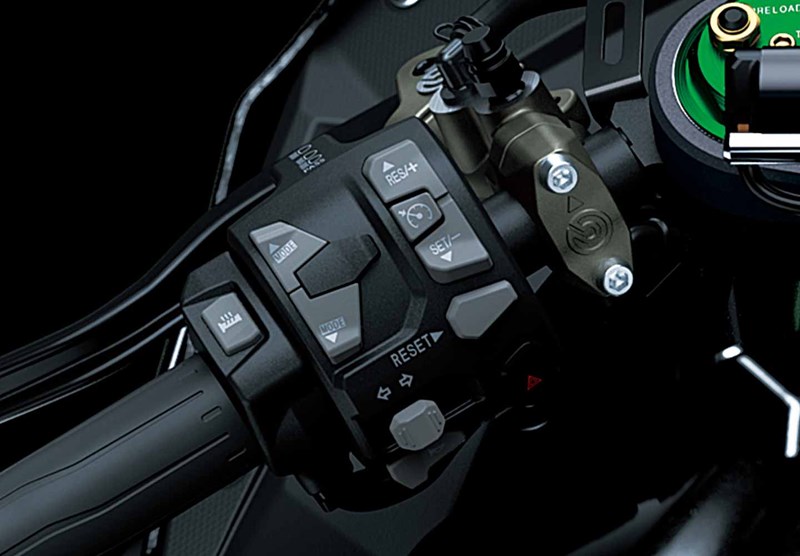
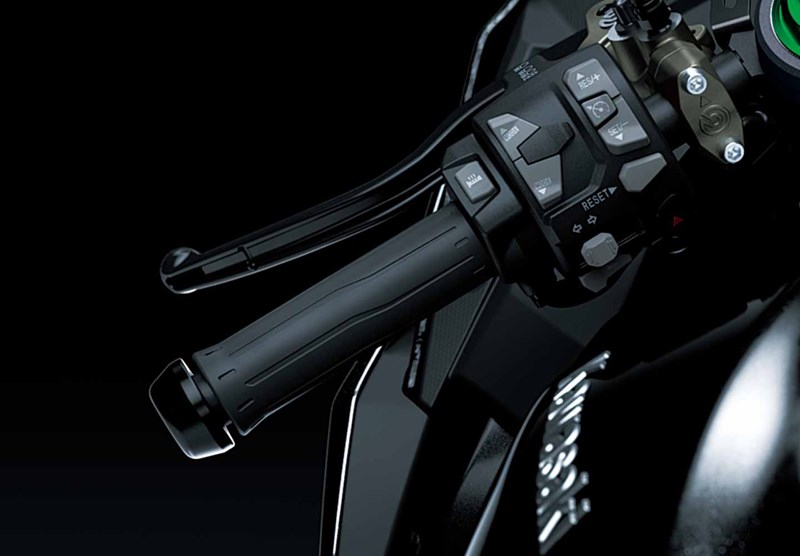
In addition to the full suite of advanced rider support technology that allows riders to explore the potential of the new Ninja H2 with confidence, a number of new features add to real-world enjoyment. Integrated Riding Modes, which link KTRC with Power Mode selection, let riders quickly and easily adapt to changing riding conditions. Electronic Cruise Control offers a respite between bouts of spirited riding. And smartphone connectivity via RIDEOLOGY THE APP MOTORCYCLE now includes Voice Command, which enables riders to interface with their machine orally.
Riding a machine capable of extraordinary acceleration requires a high level of focus. These features facilitate vehicle operation when not sport riding, helping riders conserve mental reserves in preparation for the next surge of acceleration.
GALLERY |